
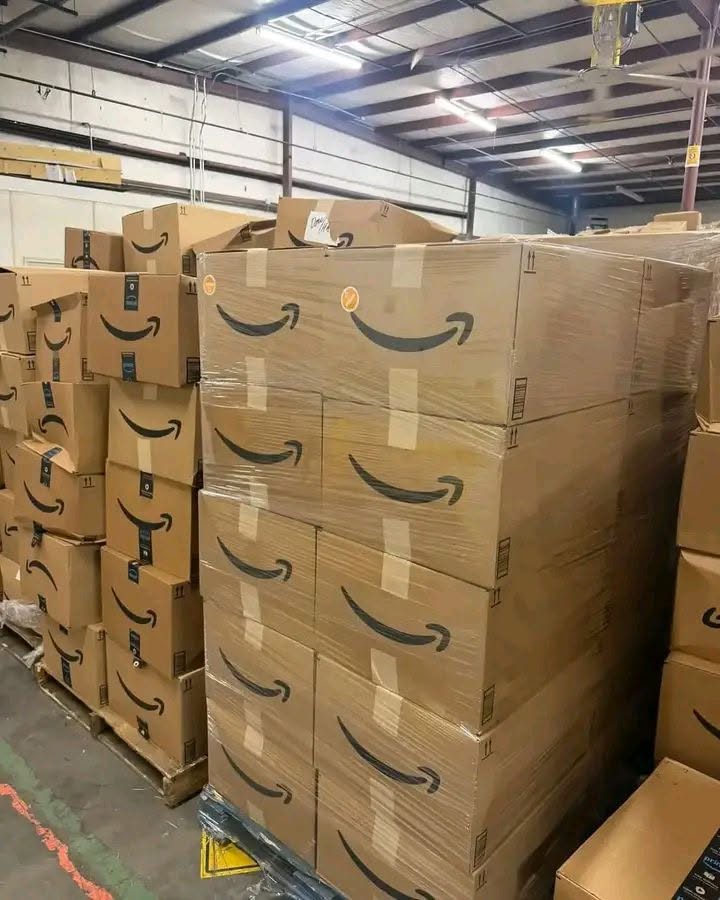
A Step-by-Step Liquidation Pallet Buying Process
Liquidation pallets can contain very different types of inventory, quantities and lot details. Instead of evaluating every pallet the same way, start with the information provided for the specific listing and work through the following steps before making a purchase.
Choose a Product Category You Understand
A practical starting point is inventory you already understand or are prepared to research. Familiarity with the products can make it easier to compare listings, identify potential resale channels and estimate the work involved after receiving the lot.
Quick Lotz Liquidations organizes inventory into categories such as Amazon liquidation pallets, phone pallets, clothing pallets, shoe pallets, tool pallets, electronics pallets and other wholesale inventory categories.
Questions to ask yourself
- Do I understand the products in this category?
- Where would I realistically resell the merchandise?
- Do I have enough storage space for the lot?
- Can I inspect, sort, photograph or list the products if that work is necessary?
- Is a pallet-size order appropriate for my current resale operation?
Starting with a category you can research and understand is generally more useful than choosing a lot only because the advertised price looks low.
Read the Exact Pallet Description
Do not assume that information from one liquidation pallet applies to another. Read the individual listing and use the details stated for that specific lot.
Depending on the listing, useful details may include the product category, stated quantity, merchandise description, price, images and other information provided for the lot.
Check the listing for
- The exact product or pallet name.
- The stated number of pieces, pairs, units or other quantity measurement.
- Any condition information actually stated on the listing.
- Product images associated with that listing.
- Brand or merchandise-mix information when it is specifically provided.
- Any order-specific notes or requirements.
Liquidation inventory can vary. Do not assume a product is new, tested, working, sealed, complete or otherwise in a particular condition unless that information is actually stated for the listing or confirmed for the order.
Check Whether a Manifest Is Available
A manifest is an inventory document that may describe products associated with a pallet or lot. Depending on the manifest, it can contain information such as item names, quantities, identifiers, brands or other inventory details.
Not every liquidation listing necessarily has a manifest. A manifest should therefore be treated as lot-specific information rather than something that should automatically be assumed for every pallet.
When reviewing a manifest
- Confirm that the document belongs to the lot you are considering.
- Check the quantities and identifiers actually shown.
- Compare the document with the product listing.
- Read any notes or limitations associated with the manifest.
- Ask questions before purchasing if important information is unclear.
Only rely on a manifest when one is actually supplied or confirmed for the particular inventory you are evaluating.
Compare the Pallet Cost With the Actual Lot
The pallet price by itself does not tell you whether an order makes sense for your business. Evaluate the merchandise together with the stated quantity and the costs involved in receiving, preparing and reselling the inventory.
A simple cost review can include
- Merchandise purchase price.
- Applicable freight or delivery cost.
- Receiving or unloading expenses.
- Storage requirements.
- Sorting, cleaning, photography or listing labor.
- Marketplace, selling or transaction fees relevant to your resale channel.
- Packaging or outbound shipping costs when you resell individual products.
If a listing states a reliable unit quantity, you can also divide the relevant costs by that quantity to estimate your average cost per unit. That calculation is only as useful as the information used to create it.
Actual resale results can depend on merchandise condition, demand, selling channel, fees, labor and the prices buyers are willing to pay.
Plan Freight and Receiving Before You Buy
Palletized merchandise requires more delivery planning than a typical parcel shipment. Before completing an order, determine what delivery information is needed for your destination and how the shipment will be received.
Useful information to confirm
- Complete delivery destination.
- Whether the destination is residential or commercial.
- Whether there is a loading dock or forklift available.
- Whether special delivery equipment or service may be required.
- Who will be available to receive the shipment.
- The applicable freight or delivery amount for the specific order.
Freight requirements can vary according to the order, destination and carrier arrangements. Confirm the applicable details rather than assuming that the merchandise price automatically includes delivery.
Confirm the Order Details Before Payment
Before completing payment, compare the final order information with what you intended to purchase. This is the point to resolve questions about the specific merchandise, quantity, destination, freight and transaction terms.
Your final review should identify
- The exact pallet, product or truckload being ordered.
- Quantity being purchased.
- Merchandise subtotal.
- Applicable freight or delivery details.
- Delivery destination.
- Any lot-specific information that is important to your decision.
- Applicable order or transaction terms.
Our checkout is designed to collect the products in your cart together with buyer and delivery information so the order details can be reviewed. It does not collect card or banking credentials.
Keep Your Order Records Organized
Retain the information connected with your purchase. Good recordkeeping makes it easier to reconcile costs, organize inventory and compare the performance of different purchases over time.
Useful records can include
- The product listing you purchased from.
- Order or invoice information supplied for the transaction.
- Any manifest actually supplied for the lot.
- Freight or delivery information.
- Relevant written communication about the order.
- Your own inventory and resale records after receiving the merchandise.
Over time, your own records can help you understand which merchandise categories, lot sizes and resale channels work best for your business.